Information
Landmark: Kakolanmäki HillCity: Turku
Country: Finland
Continent: Europe
Kakolanmäki Hill, Turku, Finland, Europe
Overview
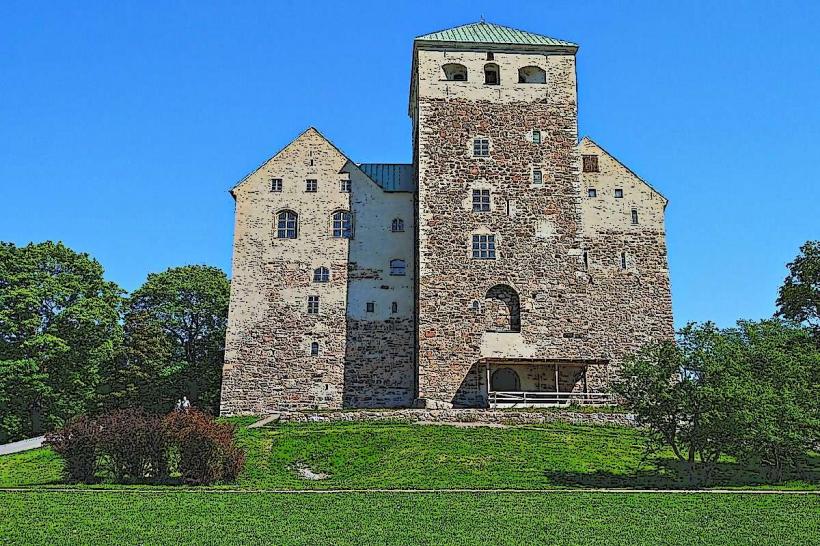
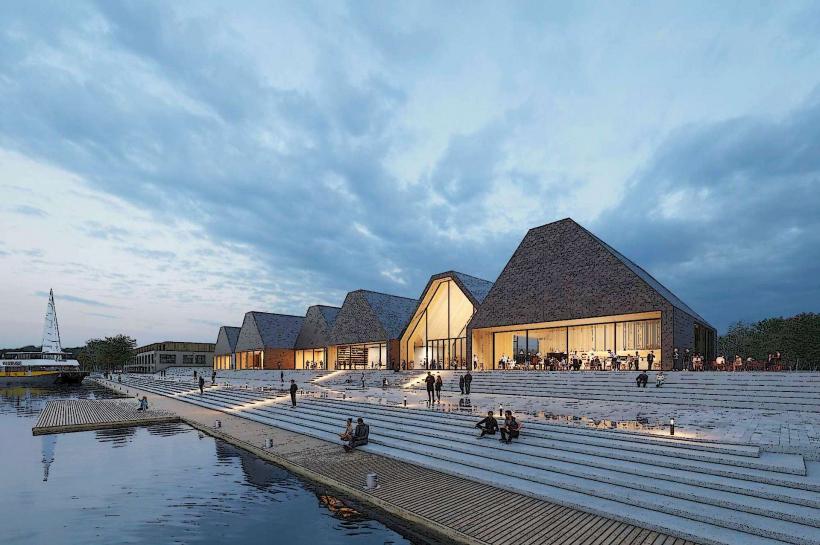
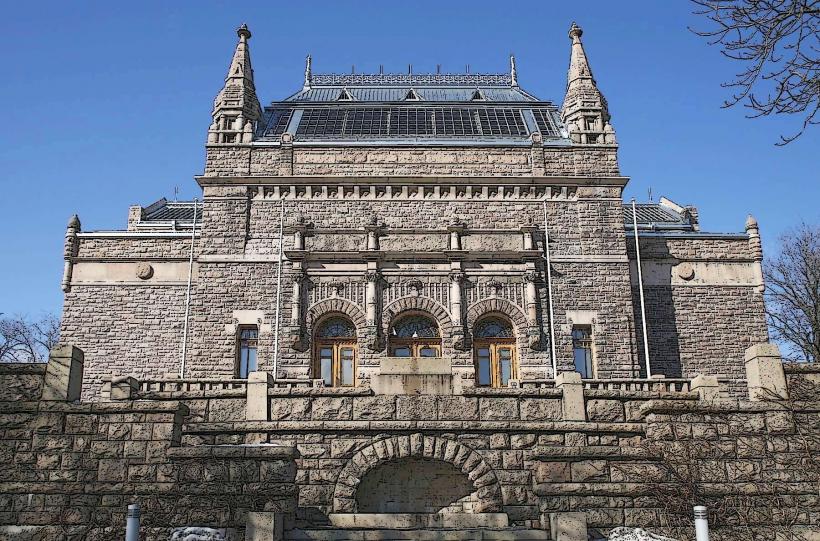
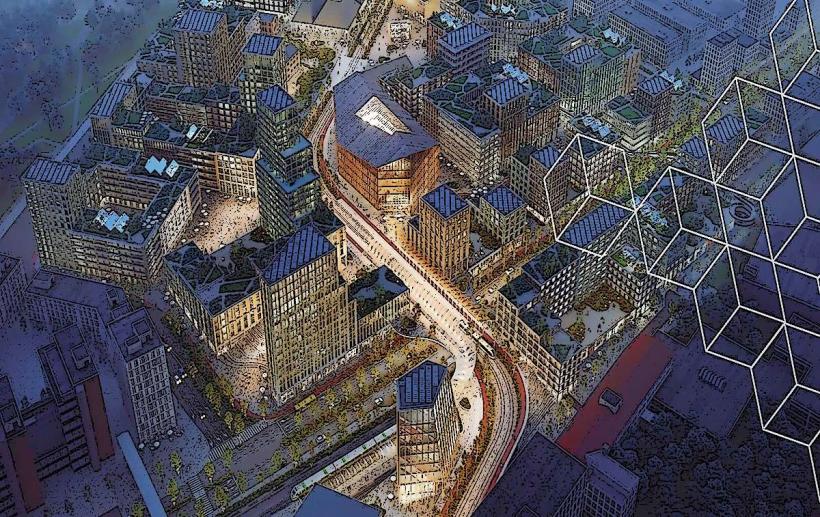
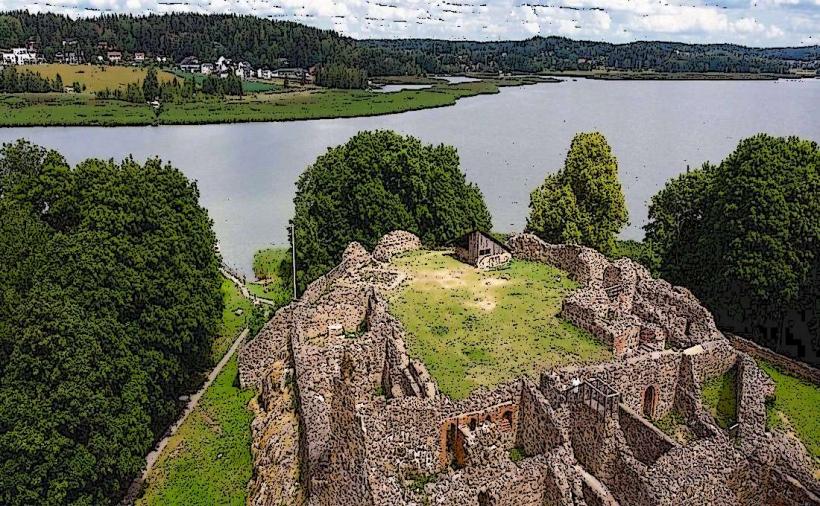
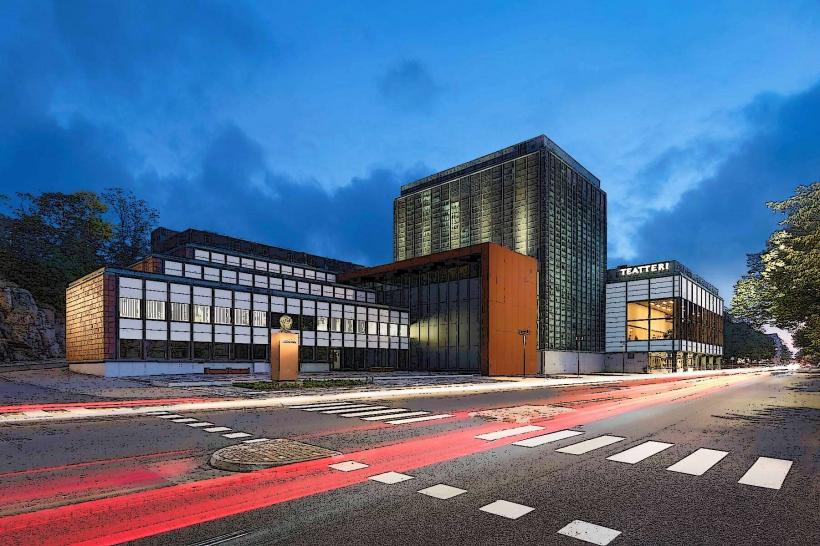
Kakolanmäki Hill rises over Turku, Finland, blending quiet pine-lined paths with layers of history and the sleek lines of current urban buildings, and the hill is famous for housing Kakola Prison for almost a hundred years, its walls once echoing with the clang of iron doors, before the site was transformed into a distinctive mix of homes and shops.Kakolanmäki Hill is best known for Kakola Prison (Kakolan vankila), a massive stone fortress that opened in 1853 and held inmates until its closure in 2007, meanwhile perched high on a steep hill, it was one of Finland’s most notorious prisons, first built to confine the nation’s most menacing criminals behind thick, echoing walls.Perched on Kakolanmäki, the prison loomed over the city and the glittering Archipelago Sea, a spot chosen as much for strategy as for its sheer dominance, furthermore kakola’s design echoed 19th-century European ideas about how prisons should work, blending harsh isolation with watchful eyes at every turn.Over the years, it held both notorious criminals and political prisoners, especially during turbulent times like the Winter War and World War II, after that its name comes from an heritage Finnish word for “coarse” or “rugged,” a nod to the steep, stony hill that made escape feel impossible, roughly From what I can see, For centuries, Kakola Hill rose above Turku’s skyline, long before the prison ever stood there, at the same time when Kakola Prison finally shut its gates in 2007, the region sat quiet and empty, its paths overgrown and windows gathering dust, to some extent It was the close of an crucial chapter in Turku’s history, like the final page turning with a quiet snap, in conjunction with before long, developers set their sights on the hill, sketching plans to turn the vintage prison yard into a lively mix of homes, shops, and cultural spots; since the gates closed for good, Kakolanmäki Hill has changed dramatically under waves of contemporary construction.The area’s turning into a mix of homes and shops, where sleek glass fronts rise beside weathered brick walls, not only that many of the aged prison buildings still stand, their weathered stone walls now being transformed for modern use, while crews put up current structures to shape a lively urban district.Called the Kakola project, it blends luxury apartments, office space, and restaurants into the historic hillside, therefore the project’s goal is to keep the hill’s historic charm intact while adding modern homes, cafés, and other comforts for locals and visitors.It seems, On Kakola Hill, vintage stone walls meet lively streets, creating a neighborhood where past and present live side by side, while people here get all the perks of city life-cafés on the corner, lights glowing late-while the weathered walls of an ancient prison still rise around them.This development aims to draw those who love the buzz of modern city life yet value the site’s deep cultural roots, simultaneously perched on Kakolanmäki’s steep hillside-once home to a prison-it now opens to sweeping views of the city, the glinting Archipelago Sea, and the green edges of the horizon, making it a sought‑after setting to live.The current development focuses on sustainability, weaving in leafy courtyards and walkable paths, while several of the aged prison buildings still stand, their weathered walls giving visitors a vivid glimpse into the area’s history.Much of the prison has been transformed for contemporary uses, but you can still view its bones-the rough stone walls, the watchful guard towers, even stretches of the classical yard, not only that the Kakola prison chapel and the surviving walls stand out, offering a stark glimpse of the hard, narrow world the inmates once knew.This locale has turned into a fascinating stop for anyone curious about Finland’s penal history, subsequently inside the aged prison blocks, you’ll find art shows, live performances, and guided tours that saunter you past thick stone walls while telling the story of the site’s past and its remarkable transformation.These tours take you deep into prison life, letting you almost hear the echo of footsteps in ancient cell blocks, and they pull you into Kakola’s past with vivid detail, subsequently around the site, public spaces and galleries blend modern art with the rugged stone of history, giving Turku’s changing culture a striking backdrop.Actually, From the hilltop, the view stretches wide-across the city’s rooftops and out to the scattered islands of the archipelago, as well as from Kakolanmäki Hill, the sunrise spills gold over rooftops-a favorite moment for photographers-while the slopes below invite hikes, guided walks, and picnics on the growing stretches of green that now replace the classical prison yard.Funny enough, The area’s transformation is woven into Turku’s wider push for sustainable urban living, alternatively the project aims to make sure current buildings and facilities use energy wisely and respect the environment, with a clear focus on sustainable design.Oddly enough, In Turku’s long-term plans, Kakolanmäki will be at the heart of expanding cultural and residential spaces, growing into a mixed-use neighborhood that appeals to both locals and visitors, to boot while the scent of vintage brick still lingers in the air, the hill’s redevelopment will honor its history as it evolves into a vibrant, modern destination.The city blends the vintage prison walls with fresh development, making sure Kakola’s history stays central to its identity, alternatively kakolanmäki Hill, with its weathered stone, green slopes, and modern buildings, is a striking mix of past, nature, and city life.Once home to the infamous Kakola Prison, the hill now buzzes with apartments and art spaces, offering a striking view of Turku’s past and the city it’s becoming, furthermore today it’s both a historic landmark and a lively neighborhood, drawing tourists, history buffs, and modern residents who want to wake up to views of Turku’s winding river and colorful classical streets.
Author: Tourist Landmarks
Date: 2025-09-05